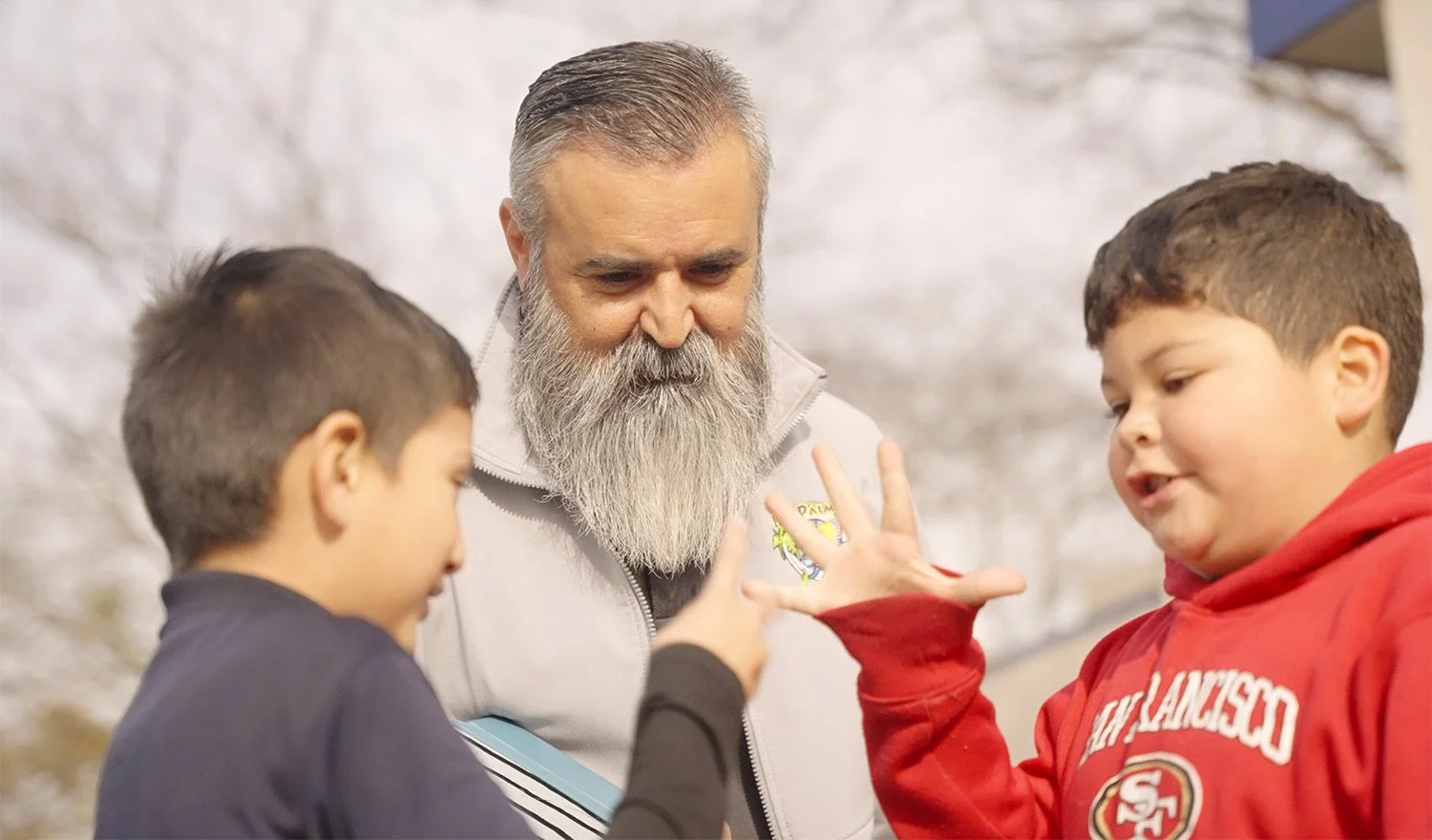
Students
Social-Emotional Learning and You
Social-Emotional Learning (SEL) is important no matter if you are in elementary, middle, or high school. In elementary years, it can help you name and understand your feelings and build friendships. In middle school, when life feels full of change, it gives you tools to handle stress and stay true to yourself. In high school, SEL can guide you as you make big decisions about your future and relationships. And after? SEL practices will continue to deepen and strengthen your relationship with yourself and others far into adulthood. Think of it as a lifelong toolkit you carry with you, full of strategies to stay grounded, resilient, and confident so you can grow into the person you want to be.
-
The best news is that SEL is already within you and in the daily things you do. For example, selecting an emoji to express how you feel about something shows self-awareness (identifying and labeling an emotion) and relationship skills (communication). Also, when you notice a classmate sitting alone and you go check on them or sit next to them, you are practicing social awareness (empathy, care) and responsible decision making (critical thinking). The question is: how do we ensure that SEL is practiced intentionally and regularly so that everyone feels safe physically and emotionally, connected, and a sense of belonging?

What Can SEL Do?

Develop
Develop your self-awareness, supporting you to better identify your emotions and feelings, as well as helping you to better understand who you are (your sense of identity(ies) and purpose) and what you want to achieve (goals and aspirations).

Encourage
Encourage responsible decision-making, helping you to be curious, thoughtful, and inquisitive.

Support
Support you with self-management, providing coping strategies to manage stress and reduce anxiety, promoting a sense of empowerment and control when everything feels overwhelming, and persisting when things get challenging.

Connect
Increase your social awareness, connecting you to others through empathy, perspective-taking, and an appreciation for diversity, especially those who may speak a different language, have a different cultural background, or have different interests and abilities than you.

Enhance
Enhance your relationship skills, using positive strategies to communicate, collaborate, and problem solve with others.
SEL Practices to Try
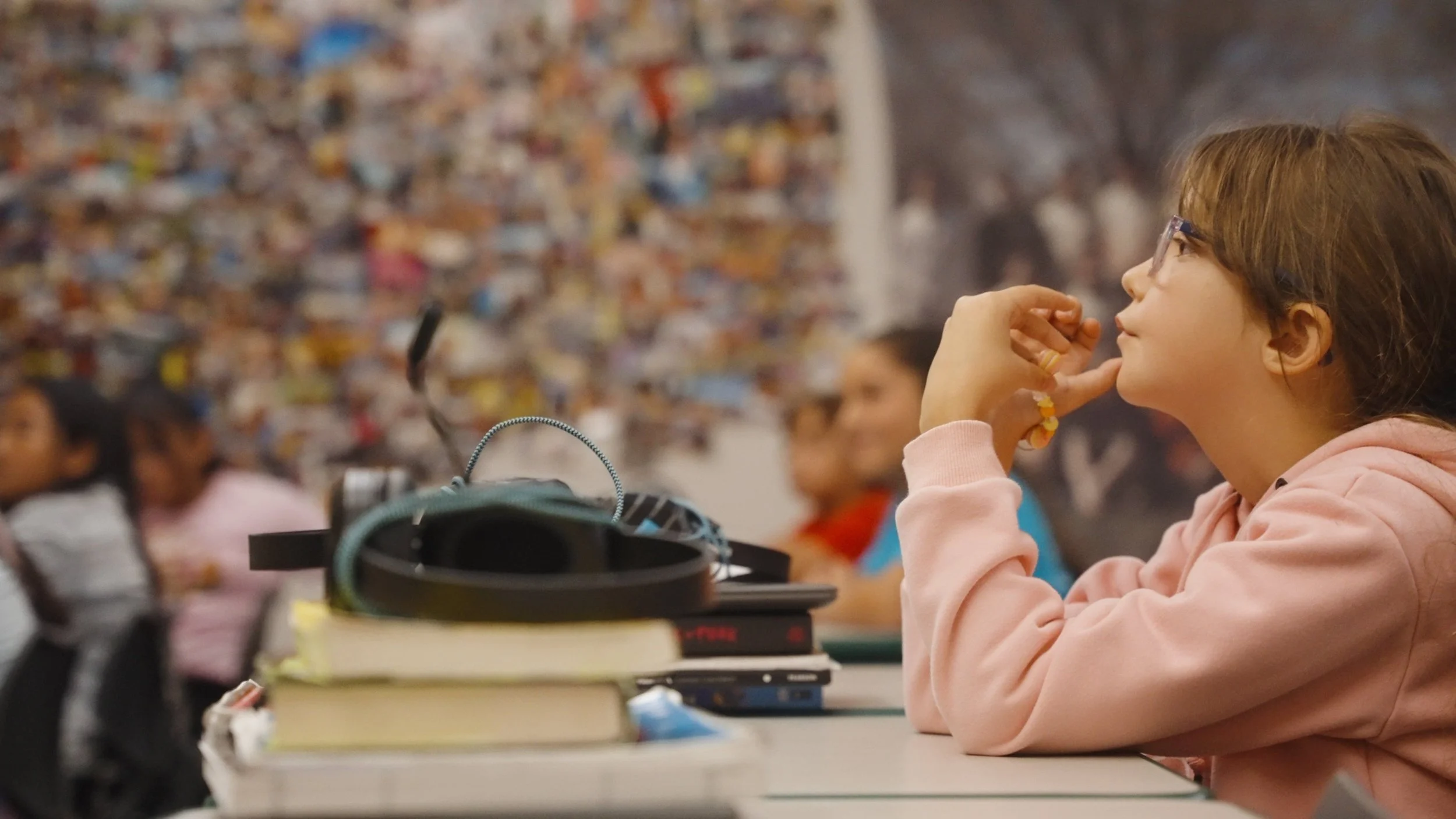

Self-Awareness & Self-Management Strategies
Write down all the things you do well or are good at, and keep it close to you. Return to this list when things get challenging.
Manage stress and anxieties with mindful breathing.
Use a journal to communicate thoughts, feelings, aspirations, and dreams that may be difficult to say out loud.
Practice goal-setting for personal and academic goals; create doable timelines and checklists to achieve your goals.
Identify a friend, peer, or adult that you can talk to or go ask for help.
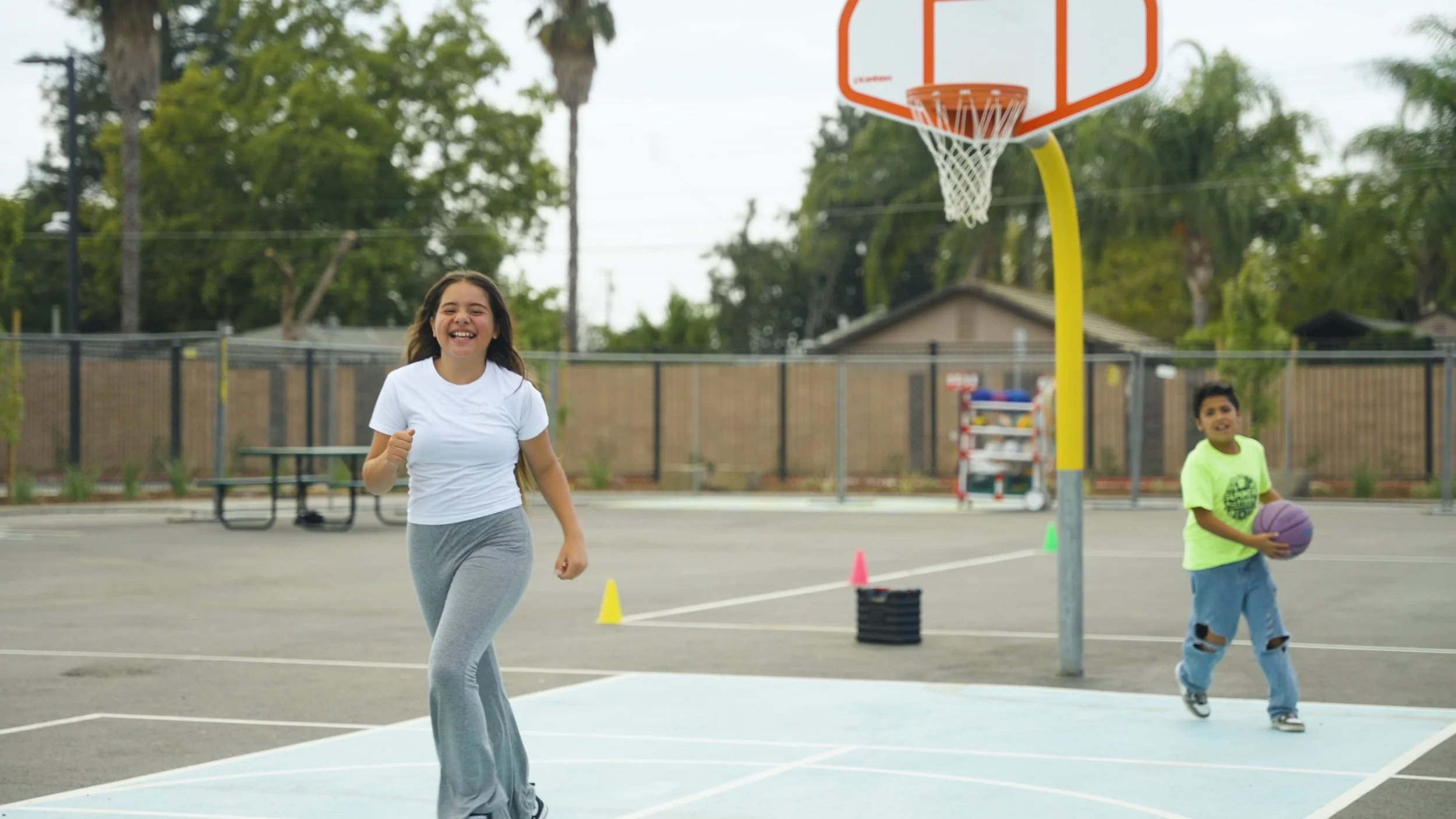

Social Awareness & Relationship Skills Strategies
Try taking on the perspective of a character in a movie or a book. How do you think they might react to a specific situation or challenge?
Talk to someone new and invite them to eat lunch with you.
In class or group discussions, invite quiet voices by saying, “I’m curious to hear your thoughts.”
Use “I” statements to resolve conflicts or address difficult behavior, such as “I feel sad when I hear you say you don’t want to be my friend anymore,” or, “When you yell at the class, I feel frightened and anxious.”

Responsible Decision-Making Strategies
Use these reflection questions to support with responsible decision-making:
What is the problem I am trying to solve or a decision I need to make?
What information do I need or still need?
Who else do I need to talk to?
Who or what might be affected by this decision?
Is this safe? Is this ethical? Legal?
How will I know my decision is successful?
SEL Resource Library
For Students
Take some time to view our Social-Emotional Learning Resource Library.
Explore Other Roles