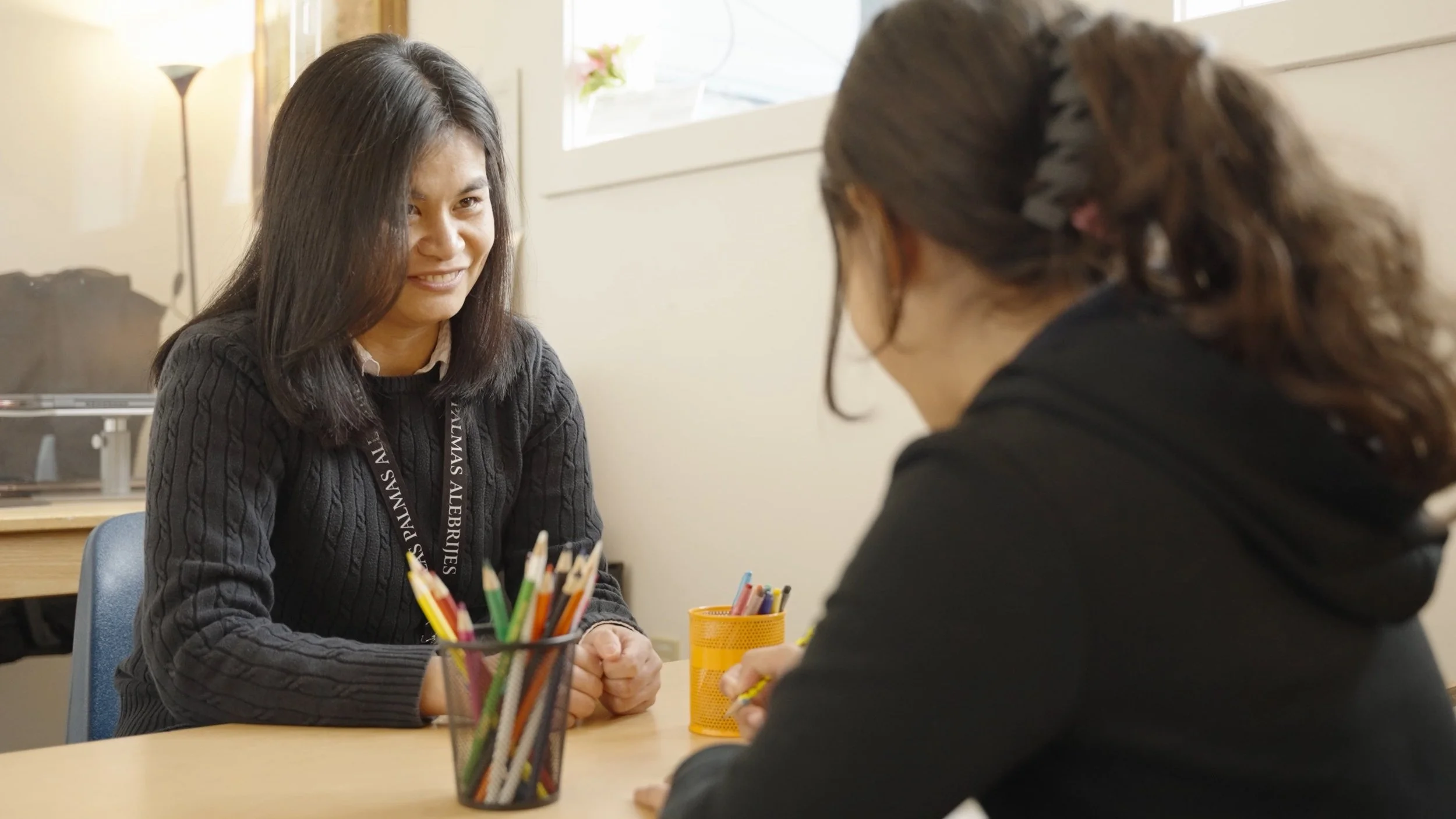
School Leaders
Why is SEL Important for School Leaders?
As a school leader, you’re responsible for far more than managing facilities, operations, and instruction. You’re inspiring, creating, innovating, and supporting the whole school system. What does your system look, and more importantly, feel like? Is it efficient as well as equitable? Is it structured as well as warm? Is your school a welcoming space for inclusivity and belonging?
A school’s success depends on the engagement, safety, and well-being of the people who comprise it. School leaders who systemically implement Social and Emotional Learning (SEL) are shifting the paradigm for what it means to lead. They’re not leading to accomplish tasks, they’re leading to help every person involved become the best version of who they are, and to thrive.
-
School leaders who model well-being and emotional intelligence signal to staff that these qualities are not optional extras, but essential ingredients for healthy school communities. A strong social fabric is created when SEL is part of how staff meetings are run, how students and families are welcomed, how teacher feedback is given, and how resources are allocated and policies are written.
SEL-centered leadership aligns and integrates with other priorities, like equity, restorative and trauma-informed practices, so they function as interconnected drivers of collective well-being. A school grounded in SEL is not just a place where learning happens, it’s a community where people feel seen, valued, and inspired to work and grow together. It’s a place where people feel a sense of connection and belonging. This kind of environment doesn’t just strengthen a school; it transforms the ecosystem around it.
SEL is a shared, communal responsibility. Everyone plays an important part in growing and maintaining the SEL ecosystem. Read on to learn ways to practice SEL in your school community, and to dive deeper into the extensive research on SEL’s positive effect on classroom climate, academic culture, and community-wide transformation. While the work of SEL is a process and takes time, sustainability requires all of us to remain purposeful and intentional about SEL implementation, integration, and practice.
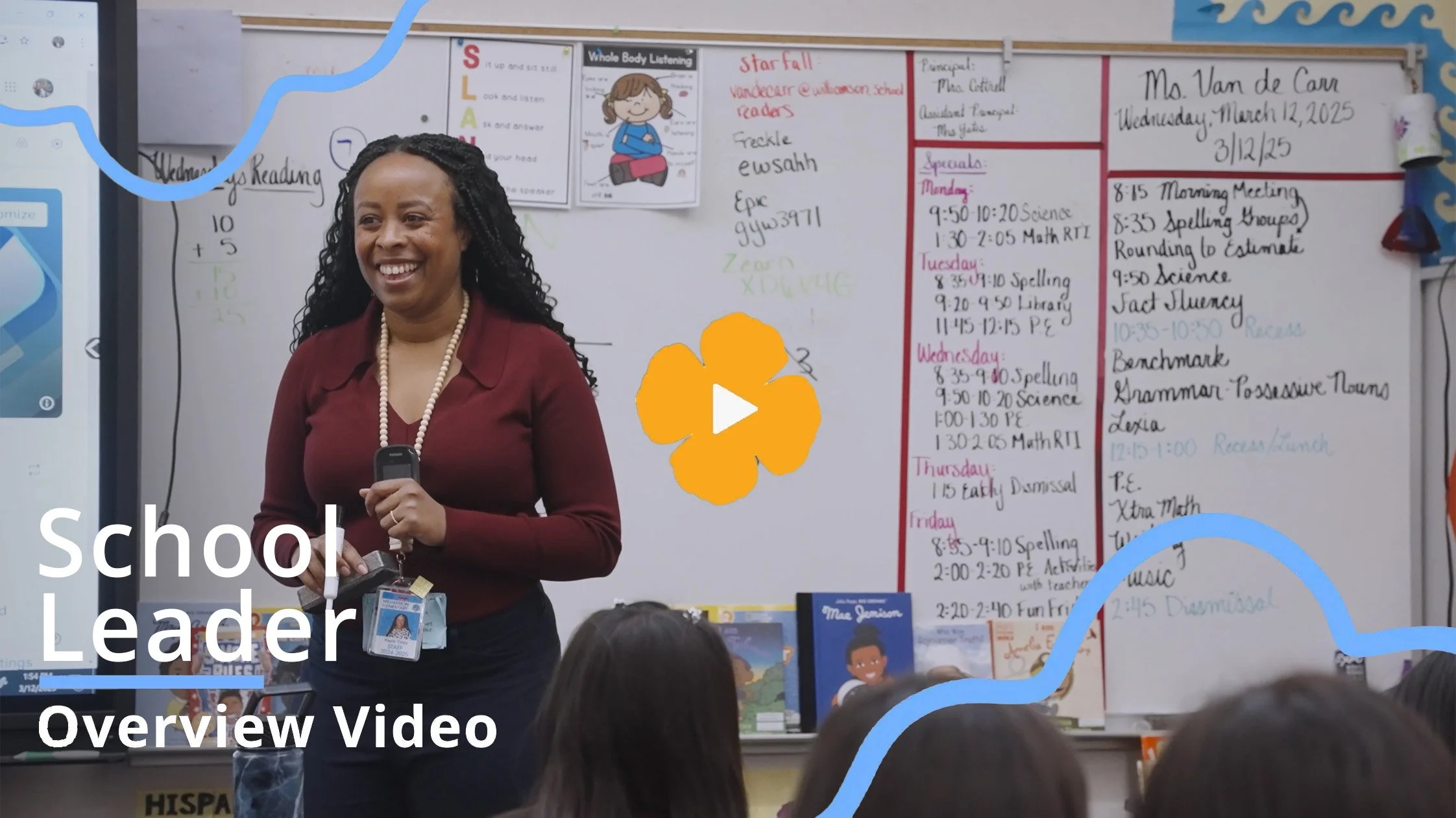

What does SEL look like for me, personally and professionally?
How does my personal well-being affect my leadership? Decision-making abilities? Attention to those under my care?
How can I embody the values for equity, inclusion, and safety (both physical & psychological) in my decisions, actions, and behaviors? Am I willing to be uncomfortable while I examine the alignment or misalignment between my values and actions??
What is the quality of relationships between and among students, staff, families, and across departments? What can be improved upon?
What do I know about systemic SEL implementation and integration in my school? Who else do I need to talk to for more insights?
Essential Questions
For School Leaders
Integrating SEL in your work asks you to dive deeper into your “why” as an administrator and change-maker. Here are a few questions for deeper reflection before you begin or continue on the SEL path. Use your answers to help you make meaning of an SEL approach within the unique context of your school community.

SEL Practices for School Leaders

Model
Model equity-centered SEL and well-being
through embodied practices, such as attending
to personal care, and maintaining a stance of
curiosity and reflection.

Establish Structures
Establish professional learning structures to support capacity-building for staff.

Establish Routines
Establish school-wide structures and routines to promote a positive climate & culture.

Provide
Provide supportive tools and resources to implement SEL schoolwide and in classrooms.

Co-construct
Co-construct and communicate a clear vision for SEL.

Engage
Engage in a cycle of continuous improvement to
understand student and staff experiences on emotional
well-being, coping skills, and climate/culture.

Build
Build positive relationships with staff, students, families/caregivers, and community partners.
SEL Resource Library
For School Leaders
Take some time to view our Social and Emotional Learning Resource Library.