Parents + Caregivers
Why is SEL Important for Parents + Caregivers?
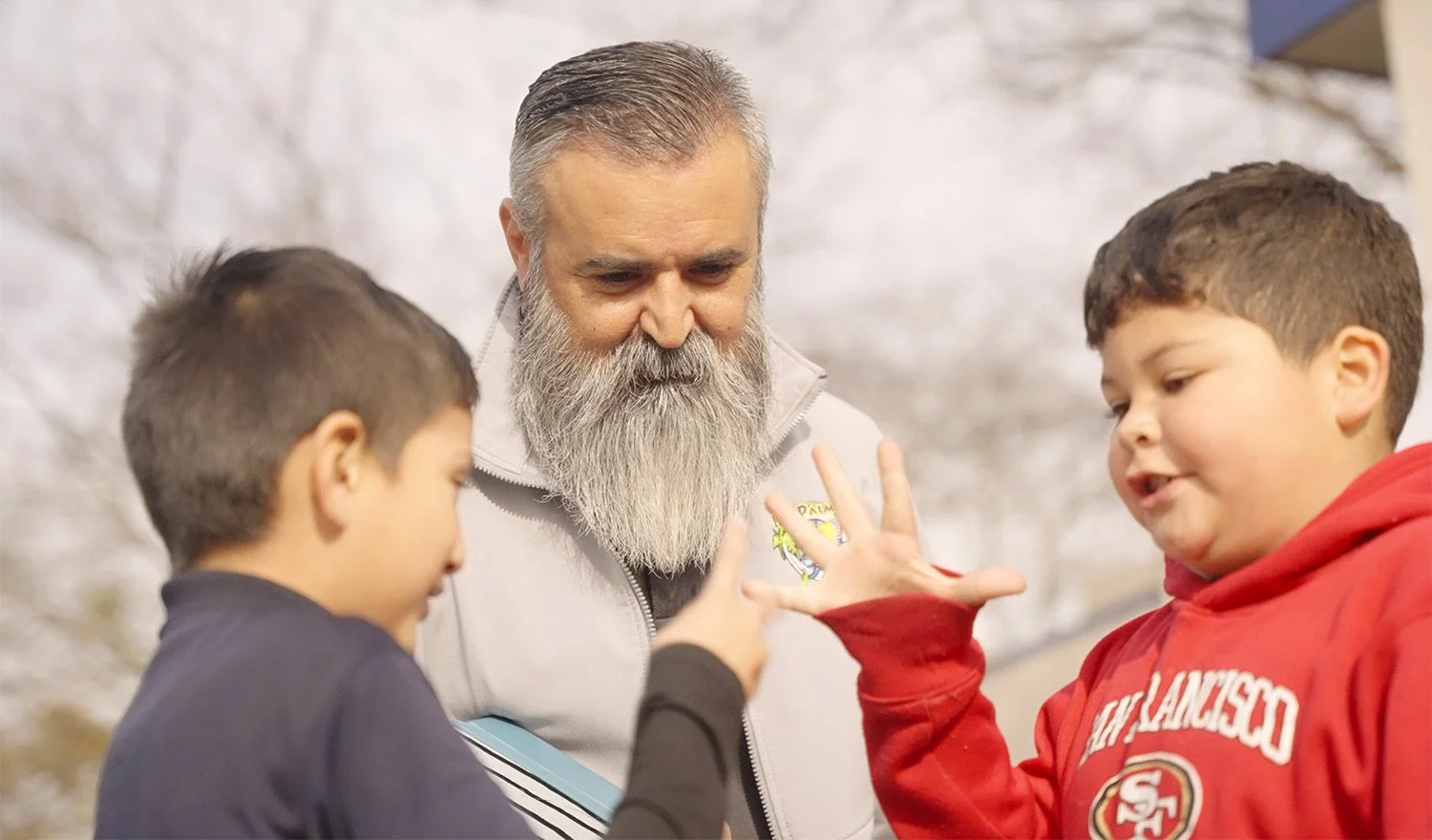
Social and Emotional learning (SEL) is not a new concept for parents and caregivers; it often reflects the instincts and practices you already bring to your children every day. Parents are their children’s first teachers, carrying cultural wisdom, traditions, and values that schools can learn from and honor.
When schools and families work together in this partnership, SEL becomes a bridge that strengthens learning, deepens relationships, and creates environments where every student feels seen, supported, and capable of thriving both inside and outside the classroom.
-
Sometimes the language of SEL may feel unfamiliar, but its spirit is deeply connected to what parents already do, whether that’s teaching patience during sibling conflicts, encouraging empathy with friends, or modeling calm and resiliency during stressful moments. At its core, SEL is about helping young people develop healthy identities, build strong relationships, manage emotions, and approach challenges with resilience and curiosity. This mirrors what families naturally strive for at home: guiding children toward kindness, responsibility, and confidence in who they are.
SEL is a shared, communal responsibility. Everyone plays an important part in growing and maintaining the SEL ecosystem. Read on to learn ways to practice SEL in your home and school community, and to dive deeper into the extensive research on SEL’s positive effect on classroom climate, academic culture, and community-wide transformation. While the work of SEL is a process and takes time, sustainability requires all of us to remain purposeful and intentional about SEL implementation, integration, and practice.

Hear from Other Parents + Caregivers
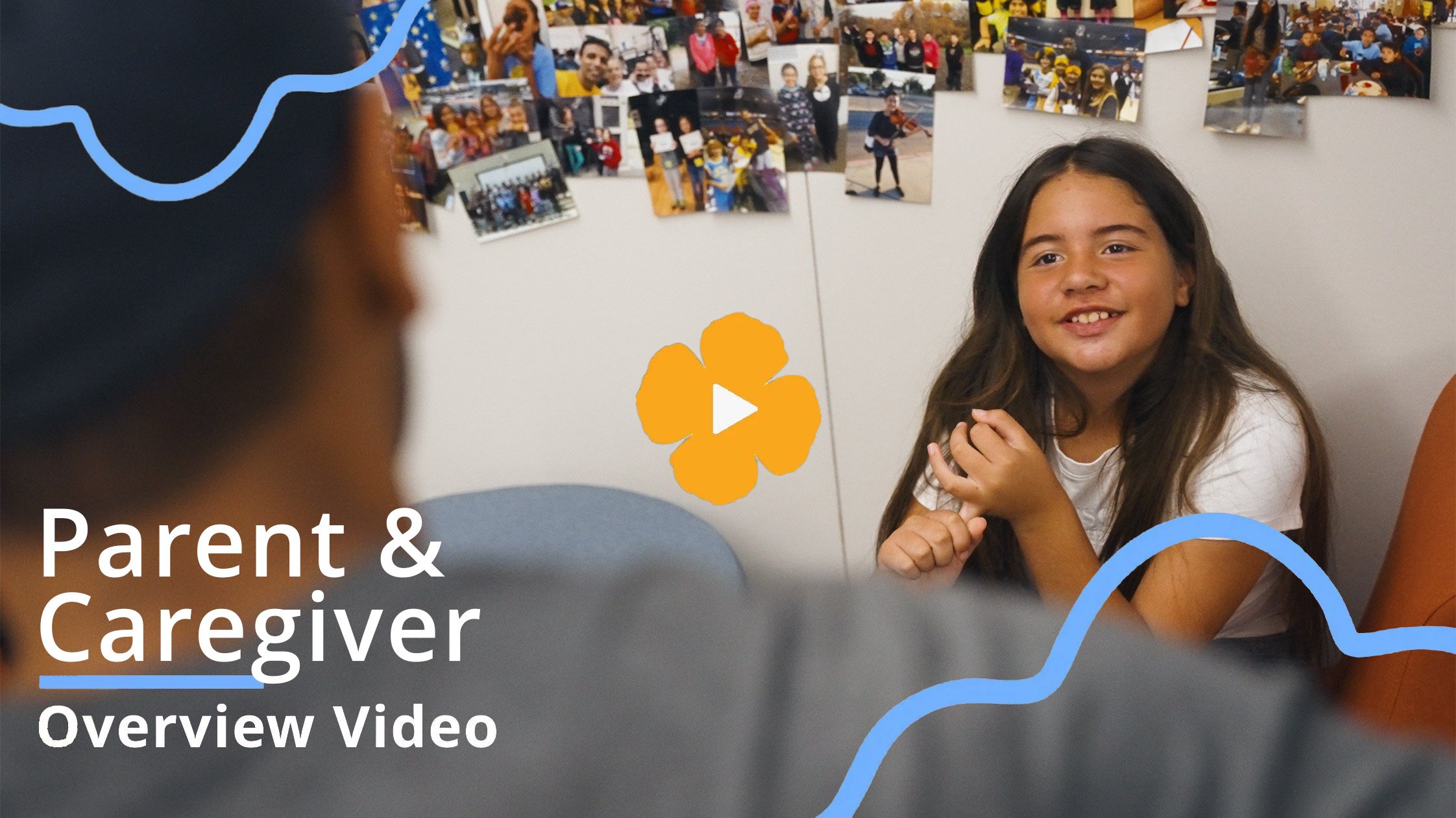
We know how important the village is. Hear what other parents and caregivers from across the state of California have to say about how SEL practices transformed their parenting journey.
“My children can learn when they feel
they’re in a safe space and won’t
be judged for being themselves.”
“There are so many moments where I
see my children growing in the right direction, and I know it’s not all me —
it takes a whole community.”
“To me, SEL has a lot to do with advancing equity. You can’t work collaboratively
with people unless you understand
and empathize with them.”

SEL Practices for Parents + Caregivers

Practice Compassion
Practice self-compassion:
I’m doing the best I can, and that is enough.

Connect
Connect through storytelling and
perspective-sharing:
Leveraging storytelling invites multiple
perspectives and narratives.

Check In
Integrate daily check-ins at home:
How are you feeling today about…?
Integrate daily reflections at home:
What are two things that excited you today?

Listen
Stay curious:
Tell me more about?…. How can I help?
Practice active listening with empathy and without judgment.
Before offering advice or input, ask your child:
Are you looking for advice, or do you just need to vent?

Demonstrate Vulnerability
Demonstrate vulnerability by sharing when you, as their parent/caregiver, also struggled:
School was hard for me too and what was helpful for me was…
(Please note: consider sharing in age-appropriate ways with your children,
being mindful to maintain an adult-child boundary that feels comfortable to you and your child.)
SEL Resource Library
For Parents + Caregivers
Take some time to view our Social and Emotional Learning Resource Library.